

Kidepo Valley National Park
2025 Guide to Kidepo Valley
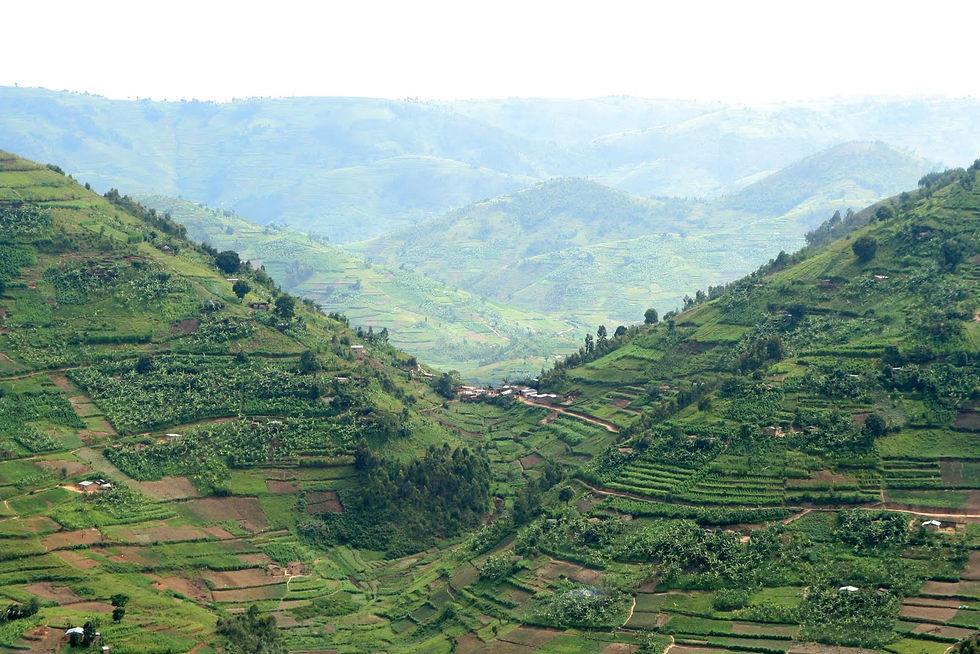
Kidepo Valley National Park, nestled in the rugged semi-arid plains of northeastern Uganda’s Karamoja region, is a 1,442-square-kilometer wilderness often hailed as Africa’s most pristine safari destination. Established in 1962 and managed by the Uganda Wildlife Authority (UWA), it spans the Narus and Kidepo valleys, framed by the Morungole and Zulia mountains near the borders with South Sudan and Kenya. Renowned for its 77 mammal species, including lions, cheetahs, and ostriches, and 476 bird species, such as the Abyssinian roller, Kidepo is a haven for wildlife enthusiasts. Located 700km (10-12 hours’ drive) from Kampala, its remoteness ensures an authentic, uncrowded experience, enriched by Karamojong and Ik cultural encounters. This guide covers everything you need to plan your visit, from activities and accommodations to dining and conservation efforts, unlocking the secrets of Uganda’s hidden gem.
kidepo valley National Park
2025 Guide to Kidepo Valley
Kidepo Valley National Park, nestled in the rugged semi-arid plains of northeastern Uganda’s Karamoja region, is a 1,442-square-kilometer wilderness often hailed as Africa’s most pristine safari destination. Established in 1962 and managed by the Uganda Wildlife Authority (UWA), it spans the Narus and Kidepo valleys, framed by the Morungole and Zulia mountains near the borders with South Sudan and Kenya. Renowned for its 77 mammal species, including lions, cheetahs, and ostriches, and 476 bird species, such as the Abyssinian roller, Kidepo is a haven for wildlife enthusiasts. Located 700km (10-12 hours’ drive) from Kampala, its remoteness ensures an authentic, uncrowded experience, enriched by Karamojong and Ik cultural encounters. This guide covers everything you need to plan your visit, from activities and accommodations to dining and conservation efforts, unlocking the secrets of Uganda’s hidden gem.

kidepo valley's Attractions and Activities
GAME DRIVES
Kidepo’s game drives ($30-$50, 3-4 hours) in the Narus Valley are a highlight, offering sightings of lions, leopards, elephants, giraffes, and rare species like aardwolves and bat-eared foxes. Guided by UWA rangers, drives depart at dawn (6:30 AM) or dusk (4:00 PM) from Apoka Tourism Centre, maximizing wildlife activity. Night drives ($50-$80) reveal nocturnal animals like hyenas.
Bird Watching
With 476 bird species, including 60 raptors like the Verreaux’s eagle, Kidepo is a birder’s paradise. Guided birding tours ($20-$60) along the Narus River or Namamukweny Valley spot rarities like the Karamoja apalis and black-breasted barbet. Wet seasons (March-May, September-November) attract migratory birds.
Nature Walks & Hiking
Guided nature walks ($20-$40, 2-3 hours) explore Kidepo’s savanna and Morungole Mountain foothills, spotting zebras, oribis, and Jackson’s hartebeests. The Mount Morungole hike ($30-$50, 4-6 hours) visits Ik villages, offering cultural insights and valley views. Moderate fitness is required; rangers ensure safety. Book through UWA or Uganda Safari Experts, combinable with game drives.
Kanangorok Hot Springs
The Kanangorok Hot Springs, 30km from Apoka, are a geothermal wonder in the Kidepo Valley, surrounded by palm trees and ostrich flocks. Guided tours ($20-$40, 2 hours) via game drive explore the springs’ cultural significance to the Karamojong.
Cultural and Community Visits
Engage with the Karamojong and Ik communities through cultural tours ($10-$30) in Lorokul or Morungole villages, arranged by Inside Kidepo Valley National Park. Learn about pastoralist traditions, manyatta homesteads, and Karamojong dances. Visits to the Ik, one of Uganda’s smallest ethnic groups, include storytelling and craft workshops. Proceeds support local schools.
Namamukweny Valley Exploration
The Namamukweny Valley, a scenic expanse in northern Kidepo, is ideal for guided walks or drives ($20-$50), offering views of cheetahs, ostriches, and the Napore-Nyagia mountains. Its remoteness ensures solitude, with ranger-led tours highlighting Karamojong lore.
Photography Safaris
Kidepo’s dramatic landscapes—rugged hills, golden savanna, and wildlife—make it a photographer’s dream. Guided photography safaris ($100-$200/day) use specialized 4x4s for optimal angles, capturing lions or sunsets over the Narus Valley.



How to Get to Kidepo Valley National Park
Kidepo’s remote location requires planning, accessible by road or air.
-
By Road: From Kampala, the 700km drive (10-12 hours) via Gulu and Kitgum is partly tarmacked, with murram roads in Karamoja. A 4x4 is essential year-round. Private transfers cost $200-$400. From Mbale (Mount Elgon), it’s 400km (8-9 hours). Routes via Kaabong (50km from Apoka) are scenic but rugged.
-
By Air: Charter flights from Entebbe to Apoka Airstrip (1.5 hours, $300-$600) via Aerolink Uganda land within the park, followed by a 10-minute drive to Apoka Tourism Centre. Scheduled flights to Kidepo ($250-$400) operate 2-3 times weekly. Book early for peak seasons through Fly Uganda.
-
Public Transport: Buses from Kampala to Gulu (UGX 20,000-30,000, $5-$8, 5-6 hours) or Kitgum (UGX 30,000-40,000, $8-$11, 7-8 hours) connect to shared taxis to Kaabong (UGX 20,000-30,000, $5-$8, 3 hours). Park transfers from Kaabong cost $50-$100. Operators like Realm Africa Safaris offer shuttles ($50-$150).
-
Visa Requirements: Uganda visas ($50) are available online or on arrival at Entebbe (700km away). The $100 East African Tourist Visa covers Uganda, Rwanda, and Kenya. Carry a yellow fever vaccination certificate.
-
Access Points: Apoka Tourism Centre (park headquarters) is the main hub, with UWA offices for permits. Kaabong (50km) and Kitgum (150km) are gateway towns for supplies.
BEST TIME TO VISIT
Kidepo’s semi-arid climate supports year-round visits, with seasonal variations.
-
Dry Seasons (December-February, June-August): Ideal for game drives, walks, and photography, with animals congregating at waterholes like the Narus River. July is driest (10mm rain). Book 3-6 months ahead for peak season (June-July). Temperatures range from 20-35°C (68-95°F).
-
Wet Seasons (March-May, September-November): Lush scenery and excellent birdwatching, with fewer crowds. April is wettest (100mm rain), but roads remain passable with 4x4s. March and November offer budget-friendly rates.
Park Fees and Permits
Fees, managed by UWA, fund conservation and community projects, per the 2024-2026 tariff.
-
Park Entrance: $40/day (non-residents), UGX 20,000 (~$5) (East Africans).
-
Game Drives: $30-$50 (day), $50-$80 (night) per person.
-
Nature Walks/Hiking: $20-$50 per person.
-
Birding/Photography Safaris: $20-$200 per person.
-
Camping: $10-$15 per person at UWA sites.
-
Cultural Tours: $10-$30 per person.
WHERE TO STAY
Kidepo offers limited but diverse accommodations, with options in and near the park.
-
Luxury: Apoka Safari Lodge provides upscale cottages with Narus Valley views ($200-$400/night). Kidepo Savannah Lodge offers luxury tents ($150-$300).
-
Mid-Range: Nga’Moru Wilderness Camp and Adere Safari Lodge feature cozy tents ($50-$120). Kakine Guest House (Kaabong) provides basic comfort ($40-$80).
-
Budget: UWA Campsites at Kakine and Nagusokopire ($10-$15/person) offer basic facilities. Apoka Rest Camp provides bandas ($20-$40).
-
Community-Based: Homestays in Lorokul or Morungole, arranged by Inside Kidepo Valley National Park, offer Karamojong/Ik immersion ($10-$20).
Book early for dry seasons. Most include meals; Wi-Fi is limited outside luxury lodges.


DINING AT QUEEN ELIZABETH
Dining in Kidepo reflects Karamoja’s pastoralist heritage, with simple yet hearty Ugandan dishes. Apoka Safari Lodge serves matoke (steamed bananas), posho (maize porridge), and grilled goat ($10-$20), often with Karamojong-inspired sorghum flatbreads. Budget campsites offer rolex (egg-chapati roll) and bean stew ($1-$5), paired with Moroto tea from nearby hills. Cultural tours include Karamojong meals like smoked beef or atap (sorghum porridge), sometimes with ngagwe (local brew). Kaabong’s markets sell mangoes and groundnuts. Most venues accommodate vegetarian or gluten-free diets with advance notice, offering a savanna taste distinct from Lake Bunyonyi’s highland cuisine (650km away in Kabale).
Packing List & Preparation
Prepare for remote savanna and cultural exploration.
-
Clothing: Lightweight long-sleeved shirts, trousers, sturdy shoes, rain jacket, hat, sunglasses. Neutral colors (khaki, green) for game drives. Warm layers for nights (10-20°C).
-
Gear: Binoculars, camera, insect repellent (high DEET for savanna), sunscreen, reusable water bottle, daypack, headlamp for camping.
-
Health: Yellow fever vaccination (required), malaria prophylaxis, personal medications, first aid kit. Light fitness for walks; moderate for hikes.
-
Other: Cash (USD/UGX) for tips ($5-$15 for guides), souvenirs (e.g., Karamojong beads), permits, passport.
Safety & Conservation
Kidepo is safe but remote, requiring preparation.
-
Safety: UWA rangers escort drives and walks, ensuring security. Kaabong and Kitgum have police patrols; Apoka is calm. Past banditry concerns have diminished, but stick to guided tours. Avoid night drives outside UWA vehicles. Kitgum Hospital (150km) offers basic care; air evacuations are available via lodges.
-
Environmental Health: Use designated routes to minimize habitat disturbance. Human-wildlife conflicts, noted locally, are managed by UWA’s community programs.
-
Conservation: Park fees support anti-poaching and wildlife protection for species like cheetahs. Kidepo’s remoteness preserves its wilderness, but overgrazing and climate change pose challenges. Tourism funds Karamojong/Ik projects, like schools, reducing conflict.


FAQ
What is the best time to visit Kidepo?
Dry seasons (June-September, December-February) for wildlife viewing; wet seasons (March-May, October-November) for birding.
How much are park fees?
Entry ($40/day), game drives ($30-$80), nature walks/hiking ($20-$50) for non-residents.
Is Kidepo safe?
Yes, with UWA rangers and police patrols. Stick to guided tours and support conservation to mitigate human-wildlife conflicts.
What makes Kidepo unique?
Its remote wilderness, diverse wildlife (77 mammals, 476 birds), and Karamojong/Ik cultural heritage, earning it the title “True African Wilderness.”
Is Murchison Falls part of Kidepo?
No, Murchison Falls is a waterfall on the Victoria Nile, 450km away in Murchison Falls National Park, unrelated to Kidepo’s savanna landscape.
